 English
 ภาษาไทย

Languages

How Do You Know If Your Child Is Ready for Nursery School?
Submitted by thailandnswadmin on Thu, 09/17/2026 - 15:57
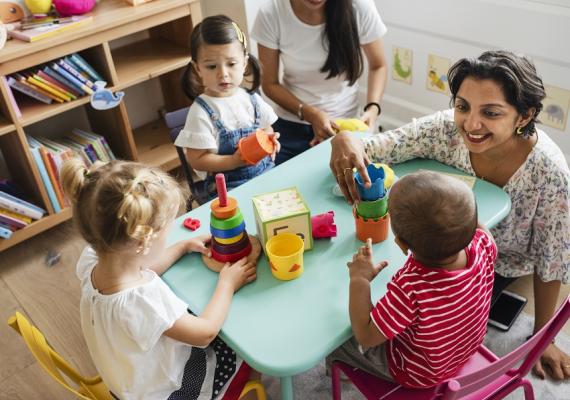
Enrolling a toddler in their first educational environment is a significant milestone for any family. Transitioning into nursery school marks a child’s initial step toward independence, social discovery, and structured learning. However, age alone is rarely the best indicator of readiness. Every child develops at their own pace, and determining whether your child is prepared for this transition requires looking at key developmental cues across emotional, physical, and social domains.
1. Emotional Independence and Separation Tolerance
The most noticeable milestone during the transition to nursery is how a toddler manages time away from primary caregivers. Readiness does not mean your child will never shed a tear at drop-off; rather, it means they possess the emerging resilience to be comforted by caring teachers.
- Comfort with Other Caregivers: Can your child stay with grandparents, relatives, or a trusted babysitter without prolonged distress?
- Emotional Regulation: Are they beginning to develop basic self-soothing skills when guided by an adult?
2. Basic Social Awareness and Communication
At the nursery level, education focuses heavily on social-emotional learning rather than formal academics. Children do not need to speak in full, grammatically perfect sentences, but they should have functional ways to express their core needs.
- Expressing Basic Needs: Can your child communicate whether through words, simple gestures, or signing when they are hungry, tired, or need to use the bathroom?
- Interest in Peers: Does your child show curiosity about other children? Even if they engage in "parallel play" (playing side-by-side rather than together), a genuine interest in being around peers is a strong indicator of readiness.
3. Physical Stamina and Daily Routine
A typical day in a progressive nursery environment involves dynamic physical activity, sensory play, outdoor exploration, and structured group times.
- Stamina for Group Activities: Can your child handle a few hours of active play without becoming overly exhausted or overwhelmed?
- Predictable Routine: Has your child established a somewhat consistent schedule for meals and daytime naps? A predictable rhythm at home makes adapting to a school schedule much smoother.
4. Ability to Follow Simple Directions and Focus
Toddlers are naturally energetic and easily distracted, which is completely expected. However, attending a nursery setting requires a basic ability to follow simple, single-step guidance from adults.
- Following Instructions: Can your child follow simple prompts like "Please put your shoes by the door" or "Time to sit down for a story"?
- Short Engagement: Can they sit and focus on an activity they enjoy such as building blocks, looking at a picture book, or playing with clay for 5 to 10 minutes?
Supporting the Transition
If your child shows signs of readiness in some areas but needs time in others, remember that a high-quality nursery program is designed to support these exact developmental milestones. Visiting campuses, attending playgroups, and gradually introducing short periods of separation at home can help build your child's confidence, ensuring a happy and seamless start to their educational journey.